About the Artist
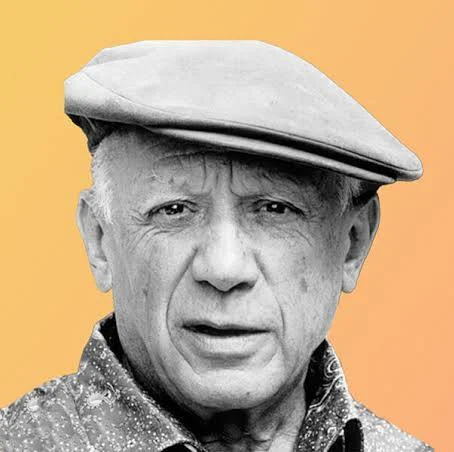
Pablo Picasso was a Spanish painter, sculptor, and one of the most influential artists of the 20th century. He is best known as one of the founders of Cubism, a revolutionary style that changed the way art represents reality.
Throughout his long career, Picasso experimented with multiple styles and techniques, constantly reinventing his art. His work often reflects political events, personal emotions, and bold abstract forms.
Key Facts
- Born: October 25, 1881 in Málaga, Spain
- Died: April 8, 1973
- Art Movement: Cubism, Surrealism
- Famous Works: Guernica, Les Demoiselles d’Avignon, The Weeping Woman
- Technique: Geometric forms, abstraction, multiple perspectives
Artworks Gallery
Explore the masterpieces of Pablo Picasso
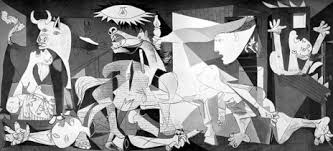
Guernica
A powerful anti-war painting depicting the horrors of the Spanish Civil War.
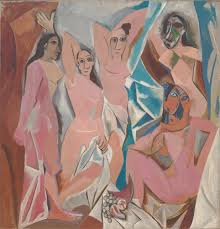
Les Demoiselles d’Avignon
An early Cubist masterpiece that broke traditional rules of perspective.
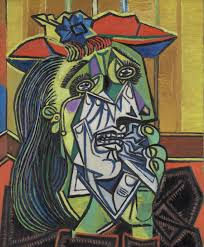
The Weeping Woman
A portrait expressing grief using sharp shapes and expressive colors.
Study Tips for IB/GCSE Students
Analysis Focus: Examine shape, form, symbolism, and fragmented perspectives.
Key Terms: Cubism, Abstraction, Multiple Perspectives.